Everyone assumes cold weather kills car batteries — and it does — but honestly, summer heat is just as brutal, if not worse, especially in a city like Jaipur where the mercury regularly crosses 44-45°C. I learned this the hard way when my battery died in a mall parking lot on a 47°C afternoon, at what was apparently only two and a half years old. These car battery life tips are the ones I wish someone had told me before that happened.
Heat accelerates chemical reactions inside the battery, which sounds fine until you realize that also means faster degradation.
Why Summer Heat Is Actually Harder on Batteries Than Winter
Direct answer: high temperatures accelerate the internal chemical reactions in a car battery, causing fluid evaporation and faster degradation, which is why batteries often fail suddenly in peak summer despite seeming fine just weeks earlier.
Cold weather mainly reduces a battery’s cranking power temporarily, but summer heat causes actual permanent internal damage over time. That’s the part most people don’t realize until they’re stuck with a dead battery on the hottest day of the year.
Park in Shade Whenever Possible
This is the simplest and most effective habit. Prolonged direct sun exposure raises under-hood temperatures significantly, which speeds up battery fluid evaporation and internal corrosion.
- Use covered or shaded parking whenever available, even if it means walking a bit further
- A car cover helps if shaded parking genuinely isn’t an option
- Avoid parking directly against a wall or in an enclosed space that traps heat further
Check Battery Terminals for Corrosion Regularly
Corrosion buildup on terminals restricts current flow and forces the battery and alternator to work harder to compensate. Check every month or two:
- Look for white or greenish crusty buildup around the terminals
- Clean gently with a mixture of baking soda and water if corrosion is present
- Ensure terminal connections are tight but not overtightened
Avoid Short Trips That Don’t Fully Recharge the Battery
Short trips under 15-20 minutes don’t give the alternator enough time to fully recharge the battery after starting the engine, which draws the most current. Repeated short trips gradually leave the battery chronically undercharged.
If most of your driving is short errands, occasionally take a longer 30-45 minute drive to give the battery a proper full charge cycle.
Get the Battery Load Tested Before Summer Peaks
A load test measures how well the battery holds voltage under actual demand, which is far more useful than just checking if it starts the car. Most service centers can do this quickly, and it’s worth getting done in early summer before the real heat sets in.
[link to related guide about car AC maintenance tips here]
Minimize Electrical Load When the Engine Is Off
Leaving headlights, interior lights, or accessories running with the engine off drains the battery fast, and this effect is worse in high heat since the battery’s overall capacity is already somewhat reduced by the temperature. Double-check before walking away from the car, especially after using interior lights at night.
Know the Warning Signs Before It Actually Dies
Batteries rarely die with zero warning if you’re paying attention. Watch for:
- Slower engine cranking when starting, especially noticeable in the morning
- Dimmer headlights or interior lights than usual
- Dashboard battery warning light (obvious, but often ignored for a few days too long)
- A slightly delayed response when turning the key or pressing the start button
Replace the Battery Proactively, Not Reactively
Most car batteries last 3-4 years in Indian conditions, sometimes less in consistently hot cities. If your battery is approaching that age, don’t wait for it to fail completely — replacing it proactively before a road trip or the peak summer months avoids the classic dead-battery-at-the-worst-time scenario.
Keep Jumper Cables or a Portable Jump Starter in the Car
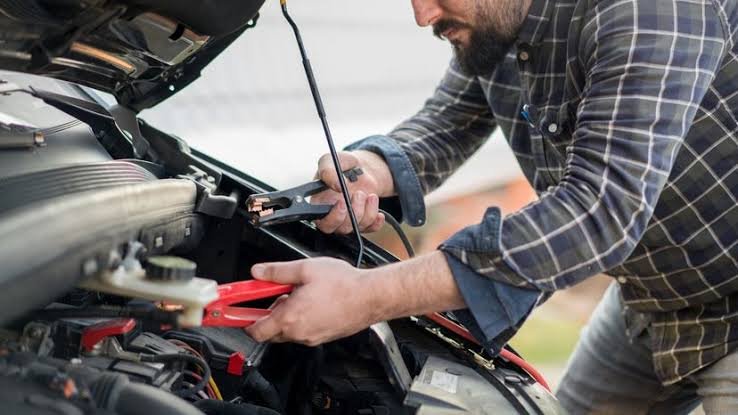
Even with all the precautions, batteries can still fail unexpectedly. A compact portable jump starter (₹2,500-5,000) is a genuinely useful thing to keep in your car, especially during peak summer when battery failures spike across the board.
FAQs
Q1. Why do car batteries fail more often in summer than winter in India? Heat accelerates internal chemical degradation and fluid evaporation inside the battery, causing gradual, often sudden failure, whereas cold weather mainly affects short-term cranking power.
Q2. How long do car batteries typically last in hot climates? Roughly 3-4 years, sometimes shorter in cities with consistently high summer temperatures, compared to potentially 4-5 years in more moderate climates.
Q3. Does parking in the shade really extend battery life? Yes, meaningfully. Reduced under-hood heat slows down fluid evaporation and internal degradation, which directly extends the battery’s usable lifespan.
Q4. What are the early warning signs of a failing car battery? Slower engine cranking, dimmer lights, a dashboard warning indicator, and delayed response when starting the car are all common early signs worth acting on quickly.
Q5. Do short daily drives damage the car battery over time? Repeated short trips under 15-20 minutes don’t allow full recharging, which can leave the battery chronically undercharged and shorten its overall lifespan.
Q6. Should I get my battery tested even if the car starts fine? Yes, especially before peak summer — a load test reveals the battery’s actual health under demand, which a simple “does it start” check doesn’t show.
Conclusion
Summer heat is quietly one of the biggest reasons car batteries fail, and most people only think about battery health once it’s already too late. Shaded parking, regular terminal checks, and a proactive load test before peak summer go a long way in avoiding that sinking feeling of a dead battery at the worst possible moment.
If your battery is nearing the 3-4 year mark, get it load tested this week rather than waiting for it to strand you somewhere inconvenient — it’s a five-minute check that saves a genuinely frustrating afternoon.
Suggested image alt text:
- “Mechanic performing car battery load test in summer”
- “Corroded car battery terminal being cleaned with brush”
- “Portable jump starter kept in car trunk for emergencies”