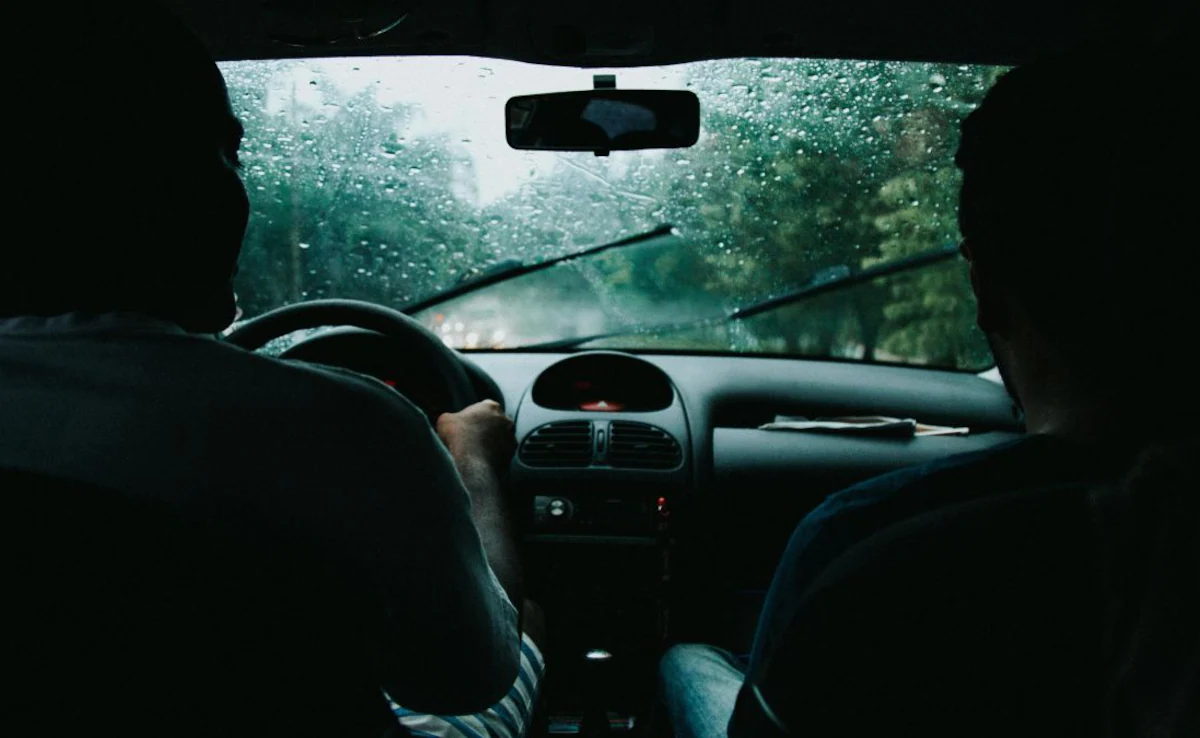
I once watched a car ahead of me on a wet flyover brake hard for no obvious reason, fishtail slightly, and just barely correct itself. That driver got lucky. These safe driving tips in rain exist because a lot of monsoon accidents aren’t caused by reckless driving — they’re caused by drivers who don’t adjust their normal habits for wet conditions.
Rain changes almost everything about how a vehicle behaves. Here’s what actually matters.
Slow Down More Than You Think You Need To
Direct answer: reduce your speed by at least 20-30% compared to dry conditions, since wet roads increase stopping distance significantly and reduce tyre grip, especially in the first ten minutes of rainfall when oil and dust rise to the surface.
That first bit of rain is actually the most dangerous window, not the heaviest downpour later. Oil, dust, and grime sitting on dry roads mix with the initial rain to create a genuinely slick surface until it washes away.
Maintain a Larger Following Distance
Your normal 2-3 second following gap should stretch to at least 5-6 seconds in heavy rain. Braking distances increase substantially on wet roads, and sudden hard braking is far more likely to cause skidding.
- Avoid tailgating even if traffic is moving slowly — sudden stops are more common in rain
- Give extra space to two-wheelers, who have even less margin for error in wet conditions
- Watch for brake lights further ahead, not just the vehicle directly in front
Turn On Headlights, Even During Daytime Rain
Visibility drops considerably during heavy rain, and headlights help other drivers see you, not just help you see the road. Avoid high beams though — they reflect off water droplets in the air and actually reduce your own visibility.
Avoid Sudden Braking or Sharp Turns
Sudden inputs — hard braking, sharp steering, quick acceleration — are far more likely to cause a skid on wet roads. If your car does start to skid:
- Ease off the accelerator gently, don’t slam the brakes
- Steer gently in the direction you want the front of the car to go
- Avoid overcorrecting, which often makes the skid worse
Watch Out for Hydroplaning on Highways
Hydroplaning happens when your tyres lose contact with the road surface due to a layer of water, essentially causing the car to “float” momentarily. It’s more common at higher speeds and with worn tyres.
[link to related guide about car care during monsoon here]
If you feel the steering suddenly go light or unresponsive, ease off the accelerator gradually and avoid braking or turning sharply until you feel traction return.
Be Extra Cautious Near Waterlogged Underpasses
Underpasses and low-lying roads collect water fast during heavy rain, and depth can be deceptive. Has this ever happened to you — you misjudge water depth and realize too late it’s deeper than expected? If in doubt, don’t attempt to cross; find an alternate route instead.
Keep Windows Slightly Cracked to Prevent Fogging
Interior fogging on windshields is a genuine visibility hazard during monsoon. Use the defogger/AC in fresh air mode rather than recirculation, and keep a microfiber cloth handy for quick wipe-downs when needed.
Check Your Tyres and Wipers Before Long Drives
Before any significant monsoon road trip, quickly check:
- Tyre tread depth (at least 3mm recommended)
- Wiper blade condition — replace if streaking or skipping
- Headlight and taillight functionality
- Brake responsiveness
Be More Alert Around Two-Wheelers and Pedestrians
Two-wheeler riders and pedestrians are far more vulnerable in rain — riders have reduced visibility through wet visors, and pedestrians often dart across roads trying to avoid puddles or find shelter quickly. Extra caution around them during monsoon genuinely matters.
FAQs
Q1. Why is the first rain of the season more dangerous than heavy monsoon rain later? Because oil, dust, and grime on dry roads mix with the initial rainfall, creating an especially slick surface until it washes away over the following 15-20 minutes.
Q2. What should I do if my car starts to skid on a wet road? Ease off the accelerator gently, steer smoothly in the direction you want to go, and avoid slamming the brakes or overcorrecting the steering.
Q3. Is it safe to use high beam headlights during heavy rain? No, high beams reflect off rain droplets and reduce your own visibility. Use regular headlights or fog lights instead.
Q4. How much should I slow down while driving in rain? A reduction of 20-30% from your normal speed is a reasonable general guideline, adjusted further based on how heavy the rainfall and how poor the visibility is.
Q5. What is hydroplaning and how do I recover from it? It’s when tyres lose contact with the road due to standing water. Ease off the accelerator gradually without braking or turning sharply, and wait for traction to return.
Q6. Should I avoid driving through underpasses during heavy rain? If water depth looks uncertain or significant, yes — find an alternate route. Underpasses can collect deceptively deep water quickly during heavy downpours.
Conclusion
Rain doesn’t have to mean danger if you adjust your driving to match the conditions — slower speeds, bigger following distances, and a bit more patience than usual. Most monsoon accidents come down to drivers keeping dry-weather habits in wet conditions.
Before the next heavy downpour catches you on the road, run through your car’s tyre and wiper condition this weekend — a small check now beats a scary moment later.
Suggested image alt text:
- “Car driving cautiously on wet highway during heavy monsoon rain”
- “Close-up of car headlights on during daytime rain for visibility”
- “Waterlogged underpass with cars avoiding deep water”