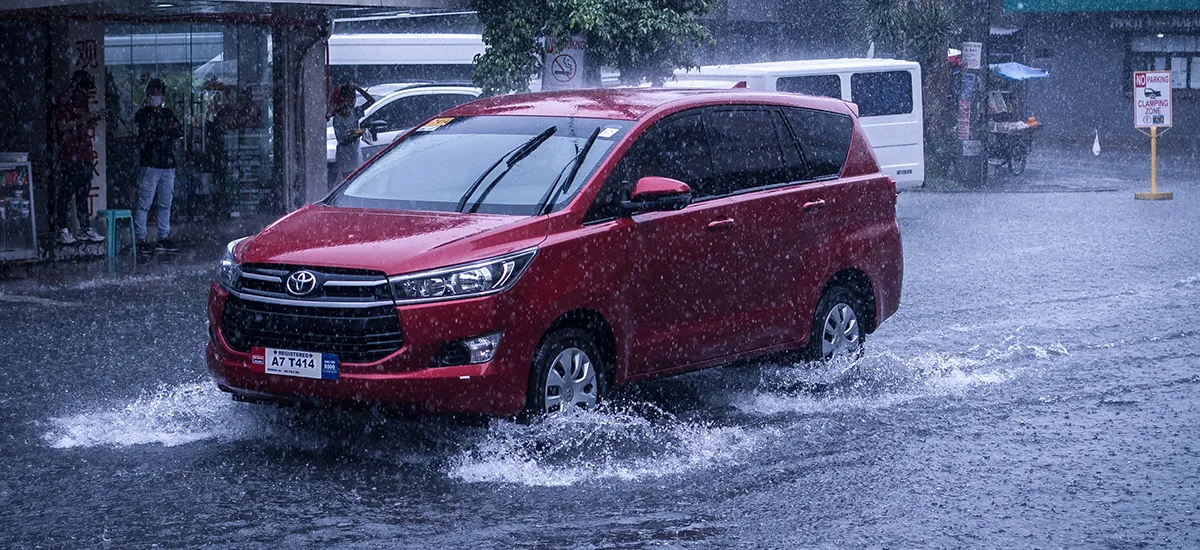
Last monsoon, my neighbour’s sedan stalled in ankle-deep water outside our society gate. Water had gotten into the air intake, and the “hydro-lock” repair bill came to almost ₹45,000. That’s the kind of story that makes you take car care during monsoon a lot more seriously than you probably do right now.
Rain season isn’t just about carrying an umbrella. Your car takes a beating too — rust, electrical faults, waterlogged engines, all of it becomes a real risk between June and September in most of India.
Check Your Tyres Before the First Heavy Rain
Direct answer: tyre tread depth should be at least 3mm before monsoon hits, since worn tyres lose grip dramatically on wet roads and increase your braking distance significantly.
Run a coin test — insert a coin into the tyre groove, and if you can see too much of it, your tread is worn down. Also check tyre pressure weekly during monsoon since temperature fluctuations affect it more than usual.
Never Drive Through Deep Waterlogged Roads
This is the single biggest cause of monsoon-related engine damage. If water is above your car’s air intake level (usually around the wheel hub height for most sedans), don’t attempt to cross it.
- If you must cross shallow water, drive in first gear, slow and steady
- Avoid stopping midway — a stalled engine in water is a bigger problem than a slightly delayed journey
- If the engine does stall in water, don’t try restarting it immediately — get it towed instead
Apply a Fresh Coat of Wax Before Monsoon Season
I’ve noticed a lot of car owners skip this thinking it’s just cosmetic. It’s not. A good wax coat protects the paint from acidic rainwater and prevents early rusting, especially around wheel arches and the underbody.
Get it done at least once before the season starts, ideally at a proper detailing shop rather than a quick roadside wash.
Check Wiper Blades and Replace If Worn
Cracked or hardened wiper blades smear water instead of clearing it, which is dangerous during heavy rain when visibility already drops. Wiper blades typically need replacement every 6-12 months depending on sun exposure and usage.
Inspect Brakes More Frequently During Monsoon
Wet brake pads perform differently, and water can wash away lubrication in certain components. Get your brakes checked at the start of the season, and if you notice any squealing or reduced responsiveness after driving through water, get it looked at immediately — don’t wait.
[link to related guide about car AC maintenance tips here]
Protect the Car’s Underbody From Rust
Rust is the slow, quiet damage most people only notice a year or two later. Underbody coating or rust-proofing treatment before monsoon is a smart investment, particularly for cars over 3-4 years old.
- Get an anti-rust underbody coating done annually
- Wash off mud and dirt from wheel wells regularly during the season
- Dry the car properly after washing — don’t let it sit damp overnight in a closed garage
Keep Electrical Components Dry and Check Wiring
Water seeping into fuse boxes or connectors causes electrical faults that are annoying to diagnose. If your car has had any water exposure, get the wiring checked by a mechanic rather than assuming everything’s fine just because the car starts.
Carry an Emergency Kit in the Car During Monsoon
A basic kit makes a real difference when you’re stuck somewhere in the rain:
- A torch with working batteries
- A tow rope
- Basic tools and a spare tyre in good condition
- An umbrella and a couple of dry cloths
- Emergency contact numbers, including roadside assistance
Get Your Air Conditioning and Cabin Filter Checked
Humidity during monsoon can cause a musty smell in the cabin if the AC filter is dirty or if there’s excess moisture buildup. Run the AC on fan-only mode for a few minutes after parking sometimes to dry out excess condensation inside the vents.
FAQs
Q1. What is hydro-locking and how does it happen? Hydro-locking happens when water enters the engine’s combustion chamber through the air intake, usually while driving through deep water. It can severely damage the engine and typically requires expensive repairs.
Q2. How often should I wash my car during monsoon? Once every 1-2 weeks is reasonable, focusing especially on the underbody and wheel wells where mud and grime accumulate fastest.
Q3. Is it safe to drive through waterlogged roads slowly? Only if the water level is well below your air intake and you maintain a slow, steady speed without stopping. When in doubt, it’s safer to find an alternate route.
Q4. Should I get underbody rust proofing every year? For older cars, yearly touch-ups help. Newer cars with factory rust protection can often go 2-3 years between treatments, but check for early rust signs regardless.
Q5. Why does my car smell musty during monsoon? Usually a dirty cabin air filter or moisture trapped in the AC system. Running the AC fan for a few minutes after parking, and getting the filter cleaned or replaced, usually fixes it.
Q6. What should I do if my car stalls in waterlogged water? Don’t try restarting the engine — this can cause more damage if water has entered the engine. Get the car towed to a service center instead.
Conclusion
Monsoon damage rarely shows up all at once — it creeps in through small things you ignore, like worn wipers or a tiny rust patch you meant to get fixed. Going through this list once before the rains start can save you a genuinely expensive repair bill later.
Take your car for a quick monsoon-readiness check at your local service center this week, before the first heavy downpour catches you off guard.
Suggested image alt text:
- “Car driving carefully through waterlogged road during monsoon in India”
- “Mechanic checking car tyre tread depth before monsoon season”
- “Rust forming on car underbody due to monsoon exposure”