I used to think all helmets were basically the same once they passed the ISI mark — cheap logic, and dangerous, honestly. Then a friend’s helmet cracked in a fall that should’ve been a minor tumble, and it made me actually research this properly. This list of best helmets for bike riders in 2026 focuses on what genuinely matters — fit, certification, ventilation — not just brand names.
Picking a helmet isn’t about the flashiest graphics. It’s about what’s between your skull and the road.
What Certification Should You Actually Look For
Direct answer: always check for an ISI mark as the minimum legal requirement in India, but DOT or ECE 22.06 certified helmets offer noticeably better tested crash protection if you can find them within budget.
ISI certification is mandatory, but it’s a relatively basic standard. ECE 22.06 is a more rigorous European standard that’s increasingly available on premium Indian-market helmets, and it’s worth the extra spend if safety is genuinely your priority.
Full-Face Helmets: Best Overall Protection
For anyone riding regularly, especially on highways or at higher speeds, full-face helmets remain the safest option by a wide margin. They protect the chin and jaw, which open-face helmets simply don’t.
- Studds Ninja Elite — solid budget option with decent ventilation
- Steelbird SBA-1 — reasonably priced with good build quality for the price point
- Vega Crux DX — comfortable padding, good for daily commuting
- AXOR Apex — a step up in finish and airflow for those willing to spend more
Prices for a good full-face helmet in 2026 typically range from ₹1,800 for budget options to ₹8,000+ for premium ones with better shells and ventilation systems.
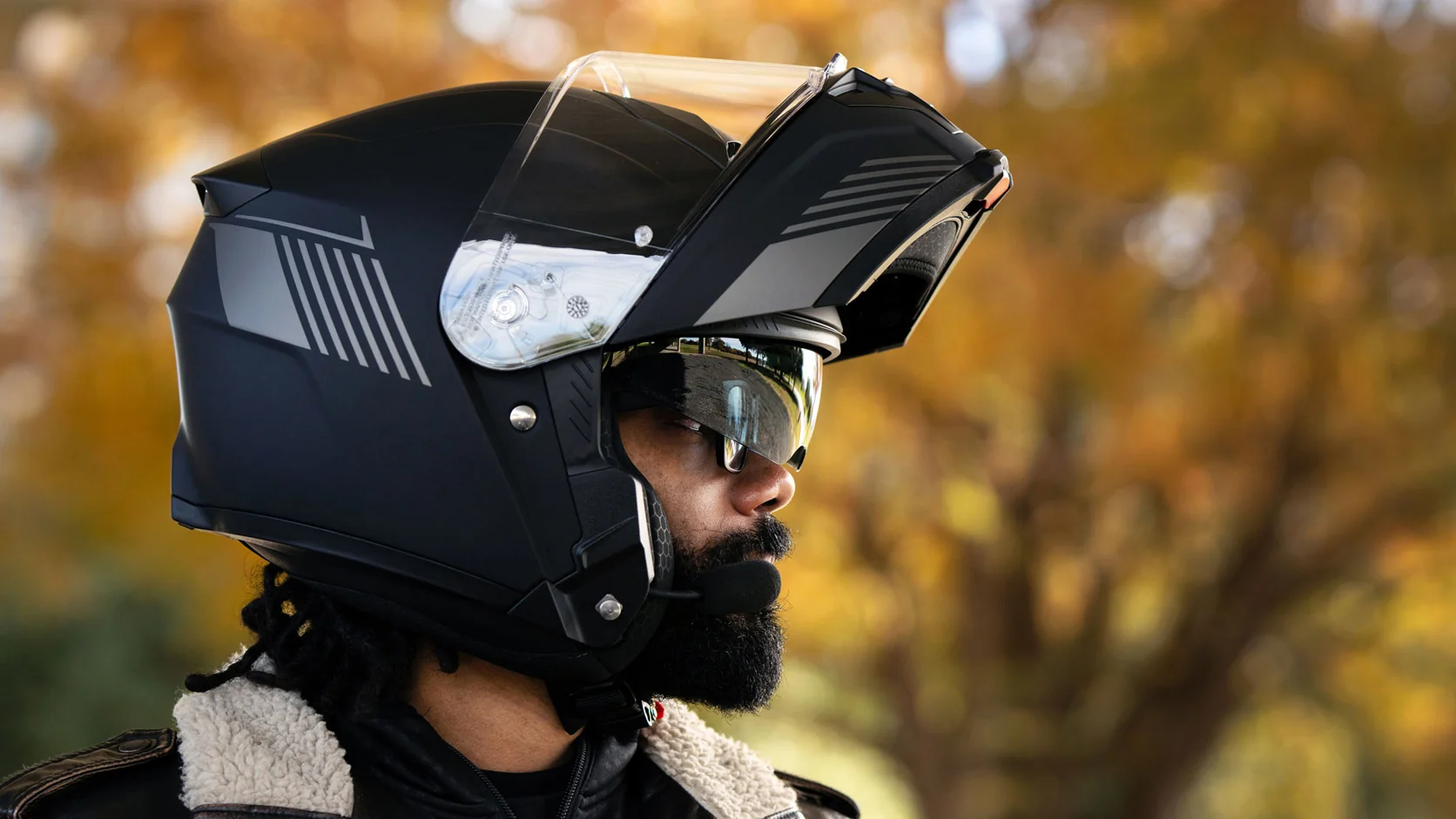
Modular (Flip-Up) Helmets: Convenience Without Much Compromise
Modular helmets let you flip up the chin bar, which is genuinely useful if you talk to toll booth staff or grab a quick bite without removing the whole helmet. The trade-off is they’re generally slightly heavier and marginally less protective at the chin hinge compared to a true full-face.
- LS2 FF902 Scope — well-regarded for its hinge mechanism durability
- Vega Crux DX Flip-up — budget-friendly modular option
- Studds Downtown — decent middle-ground pricing
Open-Face Helmets: When They Actually Make Sense
Open-face helmets are lighter and better ventilated but leave your chin and face exposed. They’re reasonable for slow city commuting under 40-50 km/h, but I wouldn’t recommend them for highway riding or anyone who rides fast through traffic gaps.
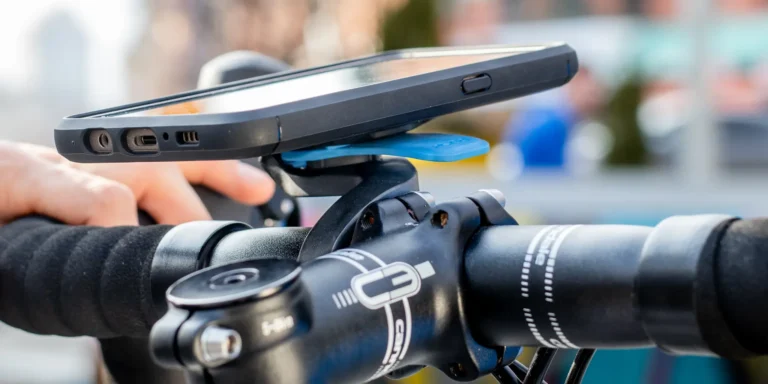
[link to related guide about best bike mobile holder here]
Ventilation Matters More Than You’d Think in Indian Summers
A helmet that traps heat becomes genuinely unbearable in peak summer, especially in cities like Jaipur or Ahmedabad where temperatures cross 42-45°C. Look specifically for:
- Multiple intake and exhaust vents
- Removable, washable interior padding (sweat buildup gets gross fast otherwise)
- A well-fitted but not overly tight chin strap that doesn’t dig in during long rides
How to Get the Right Fit (Most People Get This Wrong)
Has this ever happened to you — you buy a helmet online based on size chart guesswork and it either squeezes your temples or wobbles at speed? Both are dangerous, not just uncomfortable.
Measure your head circumference just above the eyebrows, and match it against the specific brand’s size chart rather than assuming S/M/L is universal across brands — it really isn’t.
Weight Matters for Long Rides
A heavier helmet causes neck fatigue on rides longer than an hour or two. Premium helmets often use lighter shell materials like polycarbonate composite or fiberglass, which reduce weight without necessarily compromising protection — though this usually comes at a higher price point.
Visor Quality and Anti-Fog Coating
Cheap visors scratch easily and distort vision over time. If you ride early mornings or during monsoon, an anti-fog coated visor or a Pinlock-compatible visor genuinely makes a difference in visibility.
Budget vs Premium: What’s Actually Worth Paying For
For a daily city commuter riding under 30 km a day, a well-fitted ISI-certified helmet in the ₹2,000-3,500 range is genuinely sufficient. If you ride longer distances or at higher speeds regularly, stepping up to an ECE-certified helmet in the ₹5,000-10,000 range is a reasonable investment in your own safety.
FAQs
Q1. Is ISI certification enough, or should I look for ECE certification too? ISI is the legal minimum in India. ECE 22.06 certified helmets are tested to a more rigorous standard and offer better verified protection, worth considering if your budget allows.
Q2. How often should I replace my helmet? Every 3-5 years even without a crash, since the inner foam degrades over time. Replace immediately after any significant impact, even if there’s no visible damage.
Q3. Are modular helmets as safe as full-face helmets? Nearly, but the chin bar hinge is technically a weak point compared to a solid full-face shell. Still significantly safer than open-face helmets.
Q4. What’s the ideal budget for a good helmet in India? ₹2,500-5,000 gets you a solid, well-ventilated, properly certified helmet for regular use. You don’t need to spend ₹10,000+ unless you’re riding long highway distances often.
Q5. How do I know if my helmet fits correctly? It should feel snug without pressure points, shouldn’t wobble when you shake your head side to side, and the strap should sit comfortably under your chin without slack.
Q6. Can I use an open-face helmet for daily city commuting? Yes, for slow city speeds it’s reasonable, but a full-face offers significantly better protection if your commute includes any highway stretches or higher-speed roads.
Conclusion
A good helmet isn’t the one with the coolest graphics — it’s the one that fits properly, has real certification, and that you’ll actually wear comfortably every single day. Spend the extra thousand rupees if it means better protection; it’s genuinely one of the cheapest insurance policies you can buy for yourself.
Before your next ride, actually check your current helmet’s age and condition — if it’s been through a fall or crossed 4-5 years, it’s time to replace it, not just clean it up.
Suggested image alt text:
- “Rider trying on full-face helmet at bike accessory store”
- “Close-up of ISI certification mark inside a bike helmet”
- “Comparison of full-face, modular, and open-face helmets”